Dale doesn’t need a laundry list. It needs focus.
These are the three things I’m focused on. Not because they poll well, but because they’re what I hear when I’m at doors and neighborhood meetings. They’re what’s actually on Dale residents’ minds right now, and they’re what will shape what this district looks like ten years from now.
Being a supervisor means more than showing up when something is finished. The new school, the new shelter, the new development: those things happened because of years of planning, funding decisions, and advocacy that happened long before a ribbon got cut. What Dale needs is a supervisor who is in that process from the beginning, making sure the community's priorities shape what gets built, not just someone who shows up at the end.
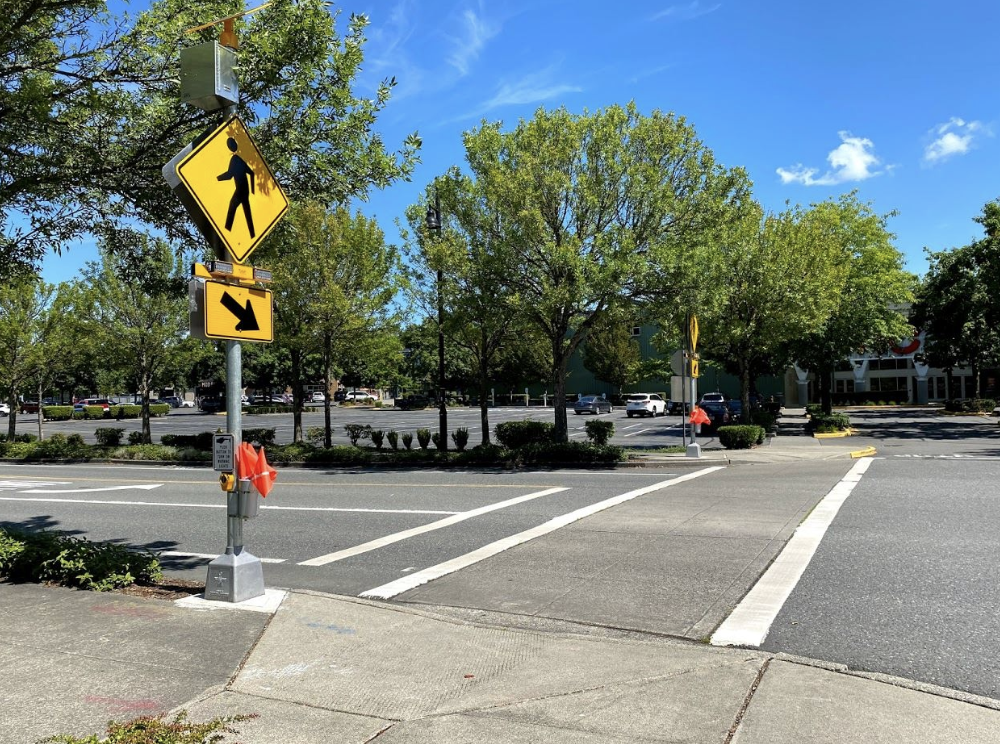
Priority 1: Safer Streets And Smarter Infrastructure
I’ve been paying attention to Dale’s infrastructure for a long time.
Growing up here, I noticed things. I remember walking in the grass along roads near my neighborhood because there were no sidewalks, and I remember the spots where drainage backed up after a hard rain. At the time, those things just felt like part of the landscape. It was only later, once I started working inside the systems that are supposed
to address those kinds of problems, that I understood: communities do not lack sidewalks because the need is not there. They lack sidewalks because the need was not prioritized. That distinction matters, and it shapes how I think about this work.
Dale's infrastructure is under real pressure right now. New development is adding traffic to roads that were not designed for it, and residents have been raising concerns at public meetings for years about stormwater runoff, flooding onto neighboring properties, and whether the county's planning is actually keeping pace with what is being approved. At the same time, two major corridor plans are being developed along Rt. 1 and Rt. 10, plans that will shape what Dale's main roads look and feel like for the next generation. Those plans are being written now, and the community's voice needs to be in that process before the decisions are locked in.
A supervisor cannot personally pave every road or widen every intersection, but a supervisor can make sure Dale's infrastructure needs are actually prioritized in the county's long-term capital planning, not just acknowledged and deferred. They can make sure development proposals are held to a real standard of review before they are approved, not after neighbors are already dealing with the consequences. And they can stay consistently engaged with the planning processes that are happening right now, so that Dale is represented at the table when those decisions get made.
WHAT I WILL DO
Advocate for dedicated infrastructure investment in Dale as part of the county's capital improvement planning and annual budget process.
Ensure that development proposals affecting Dale's roads, drainage, and stormwater capacity are subject to meaningful community input before decisions are made.
Stay actively informed on both the Rt. 1 and Rt. 10 corridor planning processes, and make sure Dale residents have a real seat at the table as those plans take shape.
Hold developers accountable to the commitments they make to the community, including traffic improvements and environmental protections, not just at the time of approval but over the life of the project.
Development is already happening in Dale. The question is whether someone is paying close attention on your behalf, or whether the community absorbs the impact and finds out later.
Priority 2: Strong Schools That Work for Students & Teachers
Strong schools don’t happen by accident.
They are the result of sustained investment, thoughtful leadership, and a county government that treats education as a genuine priority. The Board of Supervisors does not set school policy. The School Board does that, and Dale is fortunate enough to have a dedicated person in that role. But the Board of Supervisors controls the county budget, and that budget determines how much money flows to our schools every year: teacher pay, building maintenance, student support resources, and the larger capital projects that keep school facilities safe and functional over time.
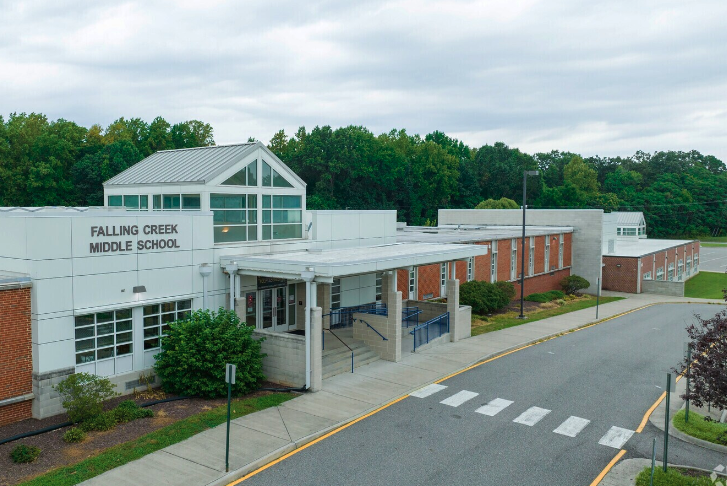
That funding relationship is significant, and it’s direct. In Chesterfield's most recent budget, the county transferred more than $400 million to the school system. The Board of Supervisors decides the size of that transfer, and the district supervisor's voice in that conversation matters. A supervisor who has built a genuine working relationship with the School Board member, who understands what teachers and students actually need throughout the year rather than just at budget time, is a different kind of advocate than one who simply shows up to vote.
Knowing what our schools actually need also requires showing up. Dale has the highest population of English Language Learner students in the entire county. What those students and their teachers need is not a generic technology investment. It’s things like real-time translation technology in the classroom that meets students where they are and gives every child an equal shot at learning. That’s the kind of specific, community-informed advocacy that only happens when a supervisor is genuinely engaged with the schools they serve.
I’m committed to being that kind of partner for Dale's schools, working alongside our School Board representative to make sure the funding decisions made at the county level reflect what’s happening in our classrooms.
WHAT I WILL DO
Maintain an active, ongoing relationship with Dale's School Board Member and school community throughout the year, not just during budget season, so that I understand what’s needed before the numbers are on the table.
Advocate for county budget allocations that reflect the real needs of our schools, including competitive teacher compensation, facilities investment, and student support resources.
Support capital improvement investments that keep Dale's school buildings in strong working condition and plan ahead for growth-related capacity needs.
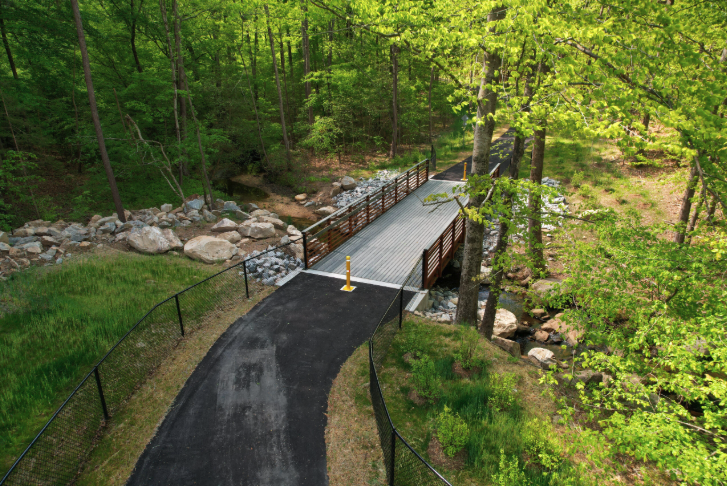
Priority 3: Smart Growth That Works for Dale
Growth is already here.
New residential developments are being approved along Dale's corridors right now, and the details of those approvals matter. Take the Benton Woods rezoning near Chippenham Parkway and Iron Bridge Road: 85 homes on 26 acres, with lot sizes as small as 3,500 square feet. Community members raised specific, documented concerns about road widths too narrow for emergency vehicles, loss of tree cover, and reduced common space. Those are exactly the kinds of details that get lost when development moves quickly and community input comes too late. And that case isn’t an exception. It reflects a pattern, and the question is always the same: who in the room is
prepared to ask the hard questions before the vote rather than after the concrete is poured? Growth itself isn’t the problem. Dale has room to grow, and growth done right can strengthen this community in real ways. But it has to be planned with intention, with the input of the people who actually live here, and with developers held to the commitments they make, not just at the time of approval but over the life of their projects.
WHAT I WILL DO
Ensure Dale residents have genuine, early opportunities to weigh in on major development proposals, at a stage where their input can still shape outcomes, not just comment on decisions that have already been made.
Do the homework before cases come to a vote: read the staff reports, go to the community meetings, and ask specific questions about road widths, stormwater, school capacity, and environmental impact.
Hold developers accountable to the conditions attached to their approvals over the full life of their projects, because a promise made at a public hearing that is never followed up on is not a promise at all.
Advocate for development patterns that invest in Dale's existing neighborhoods alongside new ones, so that growth adds to the whole community rather than simply adding to the county's tax base.
Treat environmental stewardship as a core part of every land use decision, including protection of waterways, tree cover, and the drainage infrastructure that affects residents' daily lives.
The goal is not to stop growth. It’s to make sure Dale shapes it, rather than simply absorbing it.